








How to Practice Listing Presentations When You Have No Listings Yet
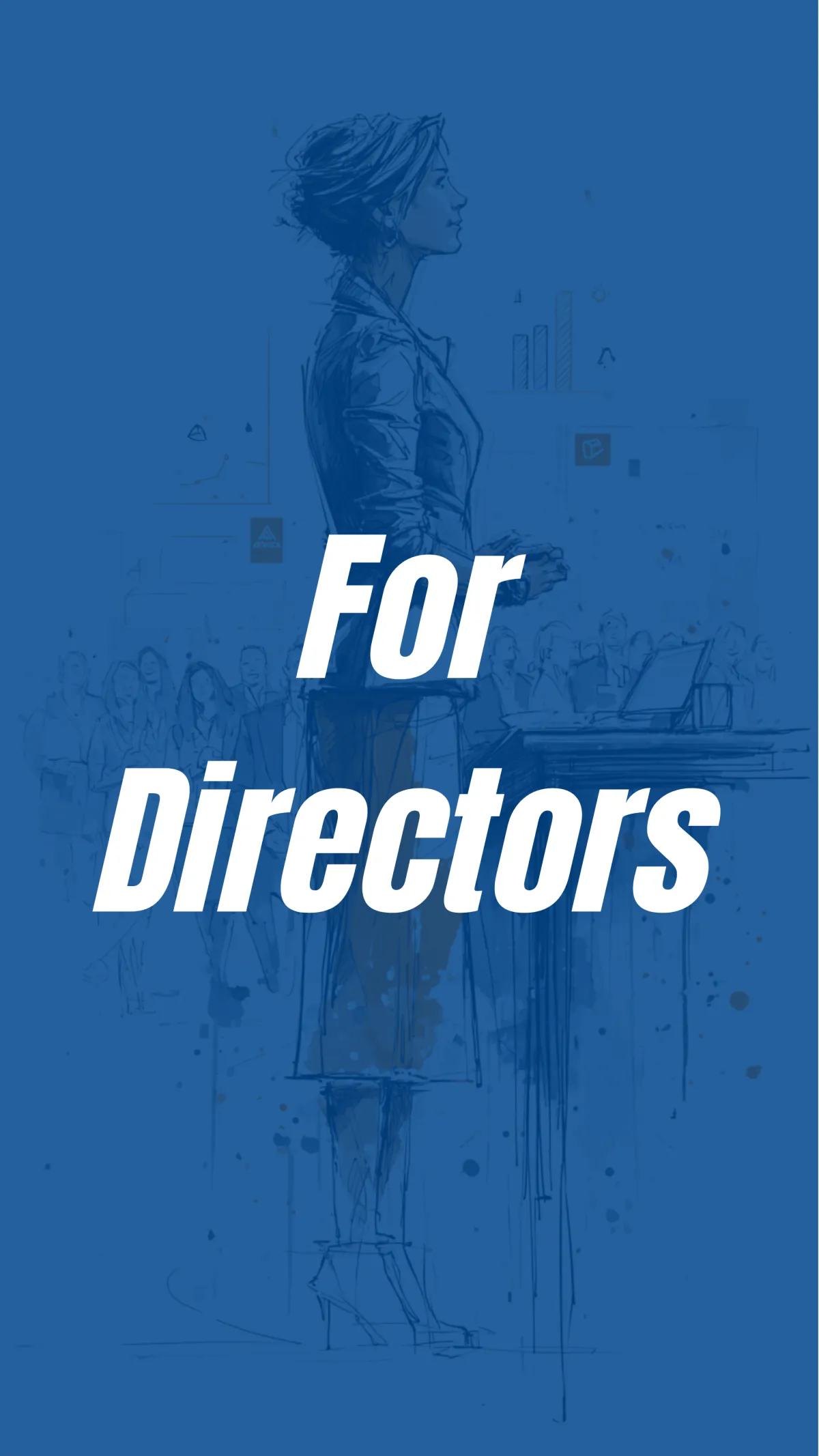
You studied for the license exam, passed it, and now you're sitting across from a potential seller — or you will be, someday soon. But here's the problem: listing presentations are not something you can wing. Sellers are interviewing you. They're deciding whether to hand you the keys to their most significant financial asset. And you've never done this before. If you've been searching for "how to practice listing presentations as a new agent" or "how to get good at listing presentations without listings," you're in the right place.
The gap between knowing real estate and performing in a listing appointment is a skill gap, not a knowledge gap. Most new agents try to close it by studying — memorizing scripts, reading books, watching videos. That's a start, but it's not enough. The competency that wins listings is built through repetition under realistic conditions: roleplay, observation, deliberate critique, and structured practice with real feedback. This article lays out the exact framework for building that competency before your first live appointment.
Unlock your potential with AI-powered solutions tailored to your real estate needs. Save time, grow faster, and work smarter. Schedule your discovery session now at lesix.agency/discovery.
Why Practice Matters More Than You Think
The industry data on new agent performance is blunt: Realtor.com's ThrivePastFive Study found that 68% of new agents who close 7 or more transactions per year have a mentor guiding them, and only 64% of new agents survive past year two. The agents who make it aren't necessarily smarter — they're better prepared for the conversations that convert.
A listing appointment is a high-stakes sales conversation. The seller has typically spoken to multiple agents. They're comparing confidence, market knowledge, and trustworthiness in a 30–60 minute window. You cannot fake your way through that without preparation. What you can do is build the muscle memory before the real thing — and the research is clear on how.
According to RISMedia's piece on roleplay for agents, the mechanism isn't complicated: "Roleplay is two agents practicing conversations to develop conversational muscle memory so they feel more confident and less anxious when face-to-face with real prospects." Going through discomfort in practice is the only path to reducing it in real situations. Mistakes made in practice are positive — they build the real confidence that shows up when it counts.
The Shadowing Strategy: Observe 10 Before You Go Solo
The single most underused resource for new agents is access to experienced agents in their own brokerage. Before you run a single roleplay session, you should commit to a specific target: observe at least 10 listing appointments before you run one yourself.
This isn't passive learning. You're watching how an experienced agent reads the room, handles the moment when a seller pushes back on price, transitions from rapport-building to the close, and manages the physical presentation — the CMA, the marketing plan, the listing agreement. You cannot get this from a YouTube video. You get it by being in the room.
The National Association of REALTORS® on developing new agents is direct about this: "Shadowing a listing appointment, attending an inspection, sitting in on a buyer consultation, and hosting an open house alongside an experienced agent are the most effective learning opportunities." Confidence comes from doing the work repeatedly, but it starts with watching others do it well.
How to execute the shadowing strategy:
Identify two or three experienced agents in your brokerage who are actively listing. Ask directly if you can sit in on appointments — most will say yes if you frame it as learning, not competition.
Before each appointment, ask the agent to brief you on the seller's situation, their pricing expectations, and any concerns the agent anticipates.
During the appointment, take notes on structure: how long each section takes, what objections come up, when the agent slows down and when they accelerate.
After the appointment, debrief for 10 minutes. Ask what they were thinking during the moments that felt tense. That debrief is where the real learning happens.
After 10 observations, you'll have pattern-matched the structure of a listing presentation so well that you can reproduce it. That's the foundation roleplay builds on.
Roleplay Frameworks That Actually Build Skill
Roleplay has a reputation problem. Most agents do it once, feel awkward, and never do it again. The ones who build real presentation skills treat it the same way athletes treat film study and practice drills — scheduled, structured, and repeated until it's boring.
The peer roleplay structure
Find one other agent — ideally someone at a similar experience level — and schedule weekly 30-minute sessions. The format is simple: one person plays the seller, one plays the agent. The seller's job is to be difficult. The agent's job is to run a presentation as if it's real.
Realtor.com identifies five specific scenarios every agent should work through: the fence-sitting seller who won't commit, the seller who disagrees with your pricing, the inspection that threatens the deal, the multiple-offer situation, and the price reduction conversation. Each one surfaces a different objection pattern. Rotate through all five before you consider yourself prepared.
After each session, the person playing the seller gives three pieces of feedback: one thing the agent did that built trust, one moment where they lost the thread, and one specific line they could have said differently. Keep it concrete. "You seemed nervous" is useless. "When I pushed back on price, you broke eye contact and rushed to the next slide" is actionable.
Recording and self-critique
Record every roleplay session. Watch it back at 1.5x speed. You're looking for four things: moments you hedged when you should have been direct, filler language ("um," "you know," "kind of"), transitions that felt rushed, and objections you didn't handle cleanly.
According to Realtor.com, recorded review helps agents spot language tweaks, body language issues, and tone problems that are invisible in the moment. Most agents are surprised by what they see on video — the gap between how they think they're coming across and how they actually appear is almost always larger than expected. Closing that gap requires watching the footage, not just remembering how it felt.
Structured objection practice
Build a list of the 20 most common listing objections. These fall into four categories: pricing disagreements ("I think my home is worth more"), loyalty objections ("I was going to call my friend who's an agent"), commission objections ("your fee is too high"), and urgency objections ("we're not ready to list yet"). Write a specific response for each one. Practice them individually until you can deliver each response without thinking about the words.
The goal is not to memorize scripts verbatim. The goal is to have a framework for each objection type so that when one surfaces in a real appointment, your brain has a template to work from rather than going blank. RISMedia's guidance on winning listings is clear: practice multiple presentation templates tailored to different client types, with feedback, before real appointments. The template plus the feedback loop is what builds real confidence.
Building Your Presentation Template Library
Your listing presentation needs a repeatable structure. Every experienced agent has one. New agents often try to customize everything from scratch for each appointment — that's the wrong approach. Build a core template, then customize the data inside it.
A standard listing presentation structure runs seven sections:
Introduction and rapport. 3–5 minutes. Learn about the seller's timeline, goals, and concerns. You're listening, not presenting.
About you and your approach. 3–4 minutes. Brief, factual, focused on how you work — not a biography.
Market analysis. 10–12 minutes. Recently sold comparables, active competition, expired listings, and what the data says about pricing.
Your marketing plan. 5–7 minutes. Exactly what you'll do to get the home sold — specific channels, specific tactics, specific timelines.
Pricing strategy. 5–7 minutes. Your recommendation and the reasoning behind it. This is where most presentations succeed or fail.
Objection handling. Variable. Don't rush past objections — this is where trust is built or lost.
The ask. 2–3 minutes. A direct close for the listing agreement.
Build a slide deck or printed presentation that covers all seven sections. Then practice running it — from opening to close — timed, out loud, alone. The first time should feel uncomfortable. By the tenth time, it should feel mechanical. By the twentieth, it should feel natural.
The market analysis section deserves special attention. RISMedia notes that demonstrating market knowledge through comparables — recently sold, active, and expired listings — with an honest pricing strategy differentiates agents in competitive presentations. Build a CMA template you can populate with live data for any property in 30 minutes. Practice pulling the data and presenting it until the process is automatic.
The Mentor Relationship: Non-Negotiable for New Agents
All of the above — shadowing, roleplay, template building — works better inside a mentorship relationship. The NAR's research on new agent success is unambiguous: pairing with a senior agent gives new agents on-the-job training they can't get any other way. They observe live appointments, assist at open houses, and tag along on transactions before handling anything solo.
If your brokerage has a formal mentorship program, use it. If it doesn't, build an informal one. Identify the top listing agent in your office. Ask if you can bring them lunch once a week to debrief your practice sessions. Offer to help with open houses in exchange for observation time. Most experienced agents are willing to mentor someone who shows genuine commitment — what they won't do is invest time in someone who treats the relationship casually.
The U.S. Bureau of Labor Statistics career interview on real estate agents captures it simply: find a mentor, get involved in company training, and get out of your comfort zone. The agents who survive year two are the ones who did the uncomfortable work in year one.
If your brokerage offers no mentorship and no structured training, that's a systems problem — and it's worth solving with a system. The 90-Minute Marketing Department framework exists precisely for agents who need structure but don't have it handed to them. A repeatable practice system, built into your weekly schedule, compounds in ways that ad-hoc preparation never will.
Your Weekly Practice Schedule
Competency is a function of repetition over time, not intensity on a single day. Here's what a sustainable weekly practice schedule looks like for a new agent building listing presentation skills:
Monday: 20 minutes of objection drilling. Work through five objections from your master list. Say them out loud, not in your head.
Wednesday: 30-minute roleplay session with your practice partner. Rotate who plays the seller. Use one of the five core scenarios.
Friday: Watch back Wednesday's recording. Write down three specific improvements for next session.
Weekly: Reach out to one experienced agent to schedule a shadowing opportunity in the next 30 days.
This schedule takes under two hours per week. It's not about volume — it's about consistent repetition that builds muscle memory. NAR's guidance on training agents in competitive markets puts it plainly: require daily practice of listening, objection response, and customer service skills. The brokers who produce successful agents enforce this as a discipline, not a suggestion.
Conclusion
You don't need listings to build listing presentation skills. You need a system: shadow experienced agents on at least 10 appointments before you go solo, run structured roleplay sessions weekly, record and critique your own performance, build a presentation template library, and anchor the whole thing in a mentorship relationship. The agents who close listings consistently aren't the ones with natural charisma — they're the ones who treated presentation as a learnable skill and put in the deliberate repetitions before the stakes were real. Start the practice now, before the first appointment. By the time it arrives, you'll be ready.
Ready to take your real estate success to the next level? Schedule your discovery session today at lesix.agency/discovery. Stay ahead with tips and insights—subscribe to our newsletter at lesix.agency/newsletter.


